
By Green Gorilla Turf Editorial Team · Updated September 18, 2026
What tools do I need for turf care?
Caring for synthetic turf in Tampa requires just three essential tools: a stiff-bristle push broom, a leaf blower or garden hose, and a mild cleaning solution. These items handle the routine debris removal and fiber maintenance that keep a lawn looking fresh year-round. Green Gorilla Turf designs every installation with Florida's drainage demands in mind, but the right tools still make the difference between turf that lasts and turf that wears prematurely.
How often should I brush my artificial grass?
Regular brushing with a stiff-bristle push broom prevents matting and keeps turf fibers standing upright. We recommend brushing high-traffic areas weekly and the entire lawn monthly. This simple step redistributes infill and prevents the flattened look that develops from foot traffic and furniture placement.
What removes leaves and pollen from synthetic turf?
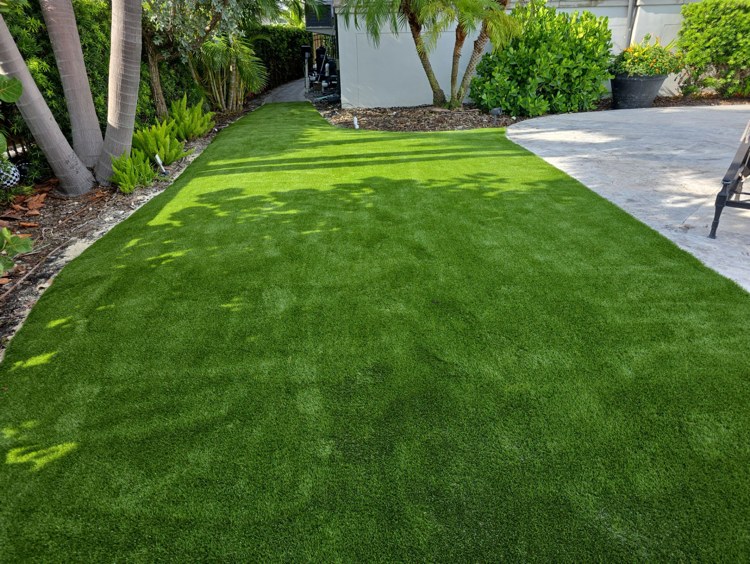
A leaf blower or garden hose removes loose debris like leaves, dirt, and pollen from the surface. Tampa's oak trees and seasonal pollen loads make this a weekly necessity. For stubborn spots, a quick rinse with the hose clears the debris without damaging the turf backing or drainage layer.
How often should I clean my Tampa turf?
We recommend cleaning your artificial turf at least once per week during Florida's peak heat and humidity months, with a lighter monthly maintenance schedule during cooler periods. Routine cleaning extends the life of your lawn and protects your investment. Florida's heat and humidity cause organic debris and moisture to collect quickly on artificial turf, making regular attention essential rather than optional.
What happens if I skip weekly cleaning?
Organic debris like leaves, pollen, and grass clippings trap moisture against the turf fibers, and that trapped moisture creates a breeding ground for bacteria and mildew. A simple weekly rinse with a garden hose prevents this buildup entirely and keeps your lawn looking fresh and clean without harsh chemicals.
How does installation quality affect my cleaning schedule?
Our 100% in-house installation ensures quality and durability for Florida conditions. Proper base preparation and drainage engineering mean water flows through the turf system efficiently rather than pooling on the surface. This design reduces the frequency of deep cleaning needed, because standing water — the primary cause of odor and bacterial growth — never has a chance to develop. A well-installed turf system stays cleaner longer with less effort from you.
Weekly maintenance checklist
- Rinse with a garden hose to remove dust and pollen
- Remove visible debris with a leaf blower or soft rake
- Spot-clean pet areas with a mild soap-and-water solution
- Check drainage points for blockages after heavy rain
How do I prevent pet odors in my lawn?
Preventing pet odors on artificial turf requires quick cleanup and the right maintenance routine. Pet urine and waste create bacteria that produce lingering smells if left untreated, especially in Tampa's humid climate. We recommend cleaning up solid waste immediately and rinsing the area thoroughly with water to dilute any remaining urine.
What cleaning solutions work best for pet turf?
For spot cleaning, a diluted vinegar solution or mild soap works effectively without damaging turf fibers. Mix one part white vinegar with three parts water in a spray bottle, apply to the affected area, and rinse with a garden hose. This neutralizes ammonia compounds in urine and prevents bacteria from multiplying. Avoid bleach or harsh chemicals — these break down turf backing and void warranties.
How does infill help control odors?
Our specialized pet turf installations include odor-controlled infill systems designed specifically for Tampa homes. These infill products contain antimicrobial agents that actively break down urine compounds before they produce smells. Regular rinsing of pet areas keeps the turf fresh and prevents lingering odors from developing. For high-traffic pet zones, we recommend:
- Rinse weekly with plain water to flush urine through the drainage layer
- Spot-clean accidents promptly using a diluted vinegar solution
- Replenish infill every 2–3 years to maintain odor-control effectiveness
- Brush fibers monthly to redistribute infill and prevent compaction
Consistent maintenance keeps your artificial lawn fresh even with multiple pets. Our team installs drainage systems engineered for Florida's climate, ensuring liquids pass through quickly rather than pooling and creating odor problems.
What's the best way to brush synthetic grass?
Brushing synthetic grass against the grain with a stiff-bristle push broom or a specialized turf brush lifts flattened fibers and restores a natural, upright look. Our team recommends this simple technique as the single most effective way to prevent matting. Without regular brushing, foot traffic and Florida's heavy rain can permanently flatten turf blades, creating worn paths that no amount of cleaning can fix.
Why does brushing direction matter?
Brushing against the grain — the opposite direction the blades naturally lean — forces each fiber to stand upright. This restores the lawn's plush appearance and ensures consistent color reflection across the entire surface. Brushing with the grain only reinforces existing flattening, which accelerates matting in high-traffic zones like pathways and pet runs.
What type of brush should I use?
A stiff-bristle push broom or a purpose-built turf brush works best. Avoid metal bristles at all costs — they cut and fray synthetic blades, causing permanent damage that shortens the turf's lifespan. Plastic or synthetic bristles are firm enough to lift fibers without tearing them. For larger lawns, a power broom attachment on a leaf blower or a turf-specific power brush saves time while delivering the same results.
Our installations include proper infill and drainage engineered for Florida's climate, which makes brushing more effective. The infill helps blades spring back after brushing, and the drainage prevents moisture from weighing fibers down between cleanings. A quick weekly brush against the grain keeps your lawn looking freshly installed for years.
When should I replace infill material?
Infill material should be replenished every few years to maintain turf stability and proper drainage. Without adequate infill, artificial grass blades flatten, drainage slows, and the surface loses its cushion. We recommend checking infill levels annually and topping them off as needed.
How do I know when infill is too low?
Walk across the turf and look for visible matting or areas where the blades lie flat. Another sign is water pooling after rain instead of draining quickly. Low infill also makes the surface feel harder underfoot.
Does professional installation affect infill longevity?
Yes. Our 25 years of experience mean we select infill materials designed for longevity, which reduces the early need for replacement. Proper base preparation and quality materials keep infill performing longer.
| Task | How often | Notes |
|---|---|---|
| Check infill depth | Every 12 months | Use a depth gauge across traffic zones |
| Add infill | As needed | Apply thin layers and brush into the fibers |
| Replenish completely | Every 3–5 years | Depends on foot traffic and pet use |
Conclusion
Maintaining your artificial turf in Tampa requires consistent care, and the investment pays dividends through years of durability and beauty. When you partner with installers who understand Florida's unique climate and drainage challenges, your turf performs at its best. Quality installation and proper maintenance work hand in hand, ensuring your outdoor space remains vibrant and functional for decades to come.